
Kicking off with Sell Annuity Payment: Is It Worth It or a Bad Deal?, this opening paragraph is designed to captivate and engage the readers, setting the tone casual formal language style that unfolds with each word.
The content of the second paragraph that provides descriptive and clear information about the topic
Introduction to Selling Annuity Payments
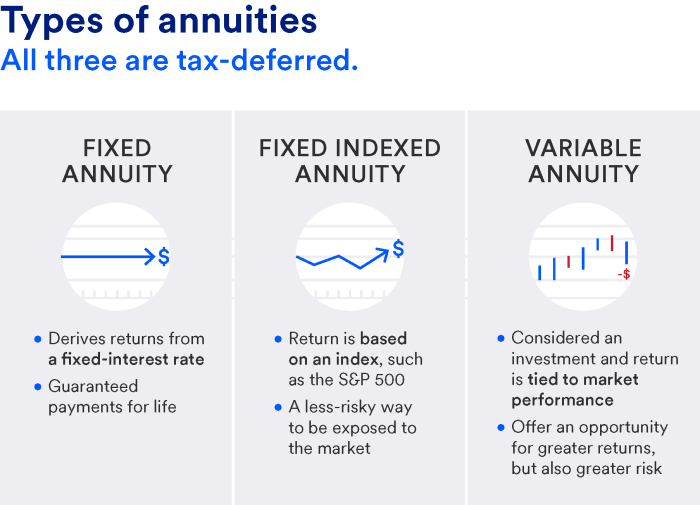
Annuities are financial products typically used for retirement planning, where an individual makes an investment in exchange for periodic payments in the future. These payments can be fixed or variable, depending on the type of annuity. Selling annuity payments involves transferring the right to receive these future payments to a third party in exchange for a lump sum of cash.
Reasons for Selling Annuity Payments
- Financial Hardship: In cases of unexpected expenses or urgent financial needs, selling annuity payments can provide immediate access to a significant amount of money.
- Investment Opportunity: Some individuals may choose to sell their annuity payments to invest in higher-yielding opportunities or to diversify their investment portfolio.
- Changing Financial Goals: Circumstances change, and individuals may decide to sell their annuity payments to better align with their current financial goals and priorities.
- Estate Planning: Selling annuity payments can be part of estate planning strategies to ensure assets are distributed according to one's wishes.
Factors to Consider Before Selling Annuity Payments
When contemplating selling annuity payments, it is crucial to weigh the financial implications and potential risks involved in such a decision. Understanding how selling annuity payments can impact your long-term financial goals is essential before moving forward.
Financial Implications
- Selling annuity payments may result in receiving a lump sum of cash upfront, which can be beneficial for immediate financial needs or investments.
- However, selling annuity payments can lead to a loss of guaranteed income over time, impacting your financial stability in the future.
- Consider the tax implications of selling annuity payments, as it can affect your overall financial situation and tax liabilities.
Potential Risks
- One of the risks of selling annuity payments is the possibility of receiving a lower amount than the total value of the annuity, leading to financial loss.
- Once you sell your annuity payments, you may lose the protection against market fluctuations that annuities often provide, exposing you to financial risks.
- There is a risk of spending the lump sum received from selling annuity payments unwisely, impacting your long-term financial security.
Impact on Long-Term Financial Goals
- Before selling annuity payments, consider how this decision aligns with your long-term financial goals, such as retirement planning or future financial security.
- Selling annuity payments may offer short-term financial relief but can hinder your ability to meet long-term financial objectives that rely on the steady income from annuities.
- Evaluate whether selling annuity payments supports or detracts from your overall financial strategy and adjust accordingly to avoid jeopardizing your financial future.
Process of Selling Annuity Payments
When considering selling annuity payments, it is essential to understand the process involved to make an informed decision. Let's delve into the steps, parties involved, and any legal aspects related to selling annuity payments.
Steps Involved in Selling Annuity Payments
- 1. Evaluation: The first step is to assess your annuity payments and determine the value you are willing to sell.
- 2. Find a Buyer: Research and find a reputable buyer or company that specializes in purchasing annuity payments.
- 3. Get a Quote: Request a quote from the buyer, detailing the lump sum they are willing to offer in exchange for your annuity payments.
- 4. Review and Accept: Review the offer carefully, considering all terms and conditions before accepting the deal.
- 5. Legal Process: Work with the buyer to complete the necessary legal paperwork to transfer the rights of your annuity payments.
- 6. Receive Lump Sum: Once the legal process is complete, you will receive the agreed-upon lump sum in exchange for your annuity payments.
Parties Involved in the Process
- - Seller: The individual looking to sell their annuity payments.
- - Buyer: The company or entity willing to purchase the annuity payments in exchange for a lump sum.
- - Legal Professionals: Lawyers or legal experts involved in drafting and executing the necessary documents for the transaction.
Legal and Regulatory Requirements
- - Contractual Agreements: The sale of annuity payments typically involves signing a legally binding contract outlining the terms of the transaction.
- - State Laws: Each state may have specific regulations governing the sale of annuity payments, so it is crucial to comply with local laws.
- - Court Approval: In some cases, selling annuity payments may require court approval, especially if the original annuity contract stipulates such conditions.
Pros and Cons of Selling Annuity Payments
Selling annuity payments can have both advantages and disadvantages, so it's essential to weigh the pros and cons before making a decision.
Advantages of Selling Annuity Payments
- Immediate access to a lump sum of cash.
- Ability to pay off high-interest debt or make a large purchase.
- Flexibility to invest or use the money as needed.
- Opportunity to address financial emergencies or unexpected expenses.
Disadvantages of Selling Annuity Payments
- Loss of guaranteed future income stream.
- Potential tax implications or penalties for early withdrawal.
- Decrease in long-term financial security or retirement income.
- Possibility of overspending or mismanaging the lump sum received.
Benefits vs. Drawbacks of Selling Annuity Payments
While selling annuity payments provides immediate financial relief and flexibility, it comes at the cost of sacrificing future income security and potentially facing tax consequences. It is crucial to carefully consider your current financial needs and long-term goals before deciding to sell your annuity payments.
Alternatives to Selling Annuity Payments
When considering the options related to annuity payments, it's important to explore alternatives that can help you maximize the value of your investments without necessarily selling them. By looking at different strategies and financial decisions, you can make informed choices that align with your long-term goals.
Investing in Diversified Portfolio
One alternative to selling annuity payments is to invest in a diversified portfolio. By spreading your investments across various asset classes such as stocks, bonds, and real estate, you can potentially increase your overall returns and reduce risk. This strategy allows you to benefit from market growth while minimizing the impact of volatility on your finances.
Utilizing Tax-Efficient Strategies
Another option to consider is using tax-efficient strategies to maximize the value of your annuity payments. By taking advantage of tax-deferred accounts like IRAs or 401(k)s, you can potentially grow your investments faster and keep more of your earnings. Additionally, exploring tax-saving investment vehicles can help you optimize your financial situation without selling your annuity payments.
Creating a Financial Plan with a Professional
Working with a financial advisor to create a comprehensive financial plan can also be a valuable alternative to selling annuity payments. By discussing your goals, risk tolerance, and investment timeline, you can develop a customized strategy that integrates your annuity payments with other financial assets.
This approach can help you make informed decisions that align with your unique financial situation.
Conclusion
The content of the concluding paragraph that provides a summary and last thoughts in an engaging manner
FAQs
What are annuities and how do they work?
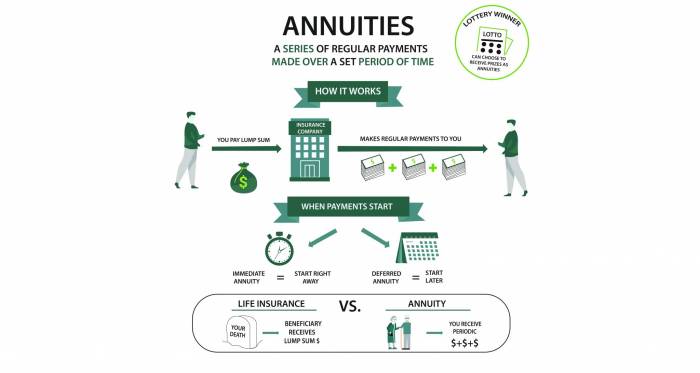
Annuities are financial products that provide a regular income stream, typically used for retirement purposes. They work by investing a lump sum and paying out a series of payments over a set period.
What are the risks of selling annuity payments?
Some risks include losing out on guaranteed income, potential tax implications, and the possibility of not getting the best value for your annuity.
What are some alternatives to selling annuity payments?
You could explore options like borrowing against your annuity, using it as collateral for a loan, or considering other investment opportunities.








![Exactech Lawsuit [2026 Update] | Exactech Recall Lawsuits](https://insurance.gamevibes.life/wp-content/uploads/2026/05/e4426d343a27cd89c69185b58687d176-120x86.png)